You want to spend more time outside. But between the Florida heat, the bugs, and those sudden afternoon storms, your backyard can feel more like a battle zone than a relaxing retreat. That’s why so many Central Florida homeowners are adding either a lanai enclosure or a screen room to their home.

In Florida, screen enclosures are considered one of the highest-ROI home improvements, with many homeowners recouping a significant portion of their investment at resale.

But most people don’t know the difference between the two. That confusion leads to wrong quotes, wrong expectations, and a lot of wasted time. Let’s clear it up.

Key Takeaways

  • A lanai is a covered patio already attached to your home. A screen room is a brand-new structure built from scratch.
  • Enclosing a lanai is usually faster and less expensive because the roof is already there.
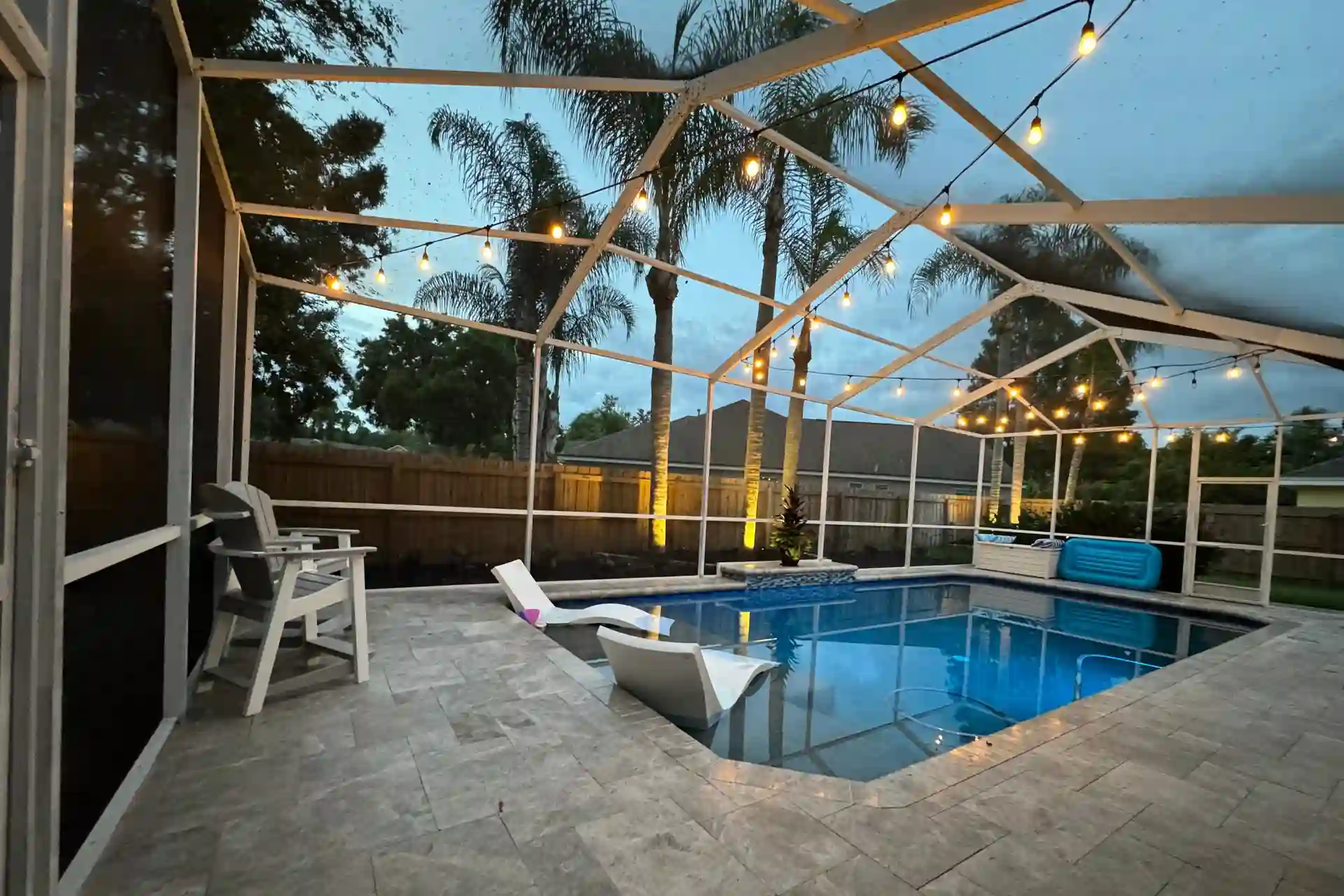
  • Screen rooms offer more flexibility and can be placed anywhere on your property, including around a pool.

What Is a Lanai?

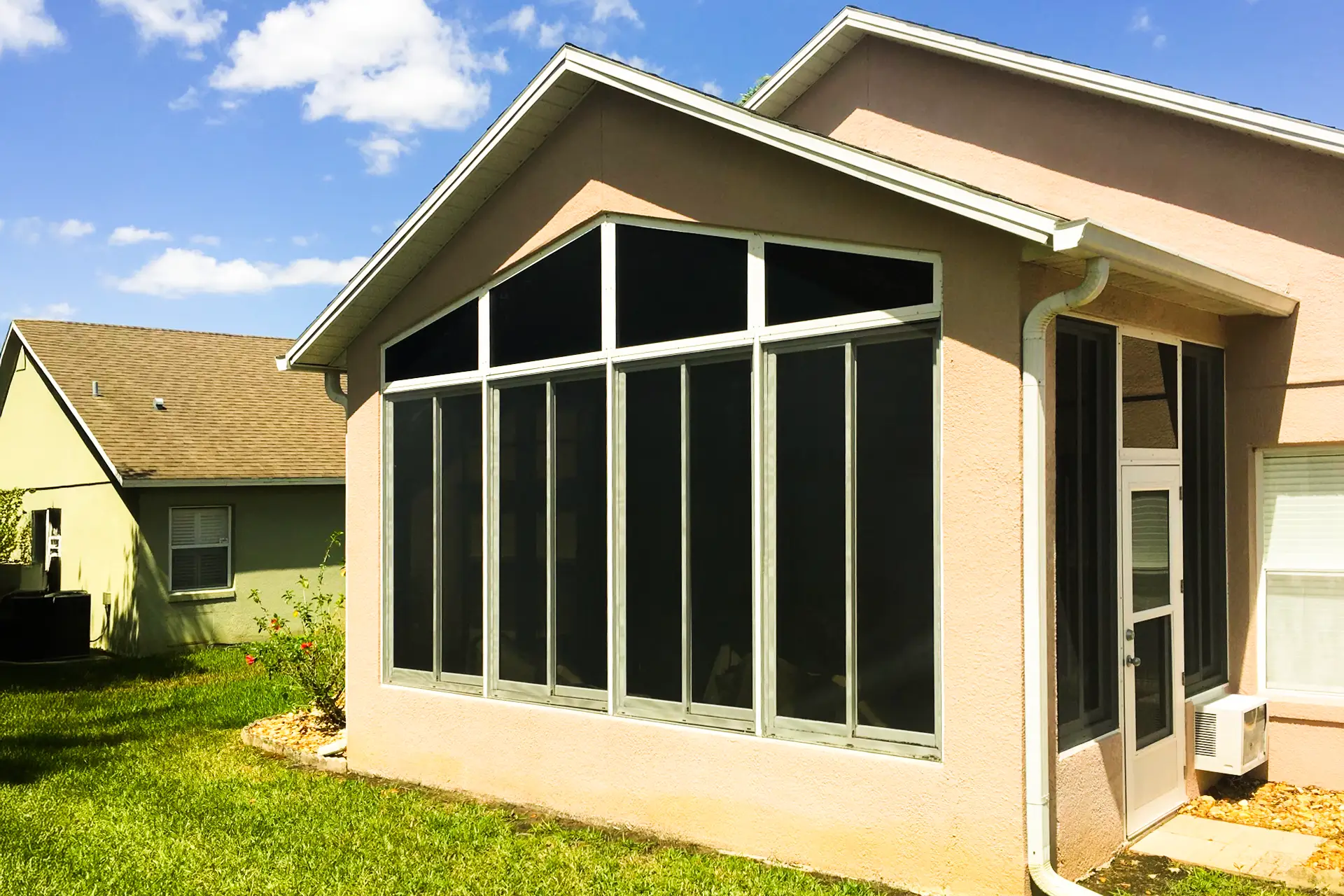
A lanai is a covered outdoor space already attached to your home. In Florida, most newer homes come with one. It sits off the back of the house, has a concrete floor, a solid roof that extends from your home’s roofline, and open sides.

Think of it as a half-finished room. It has a roof and a floor. It just needs walls, and in this case, those walls are made of screen.

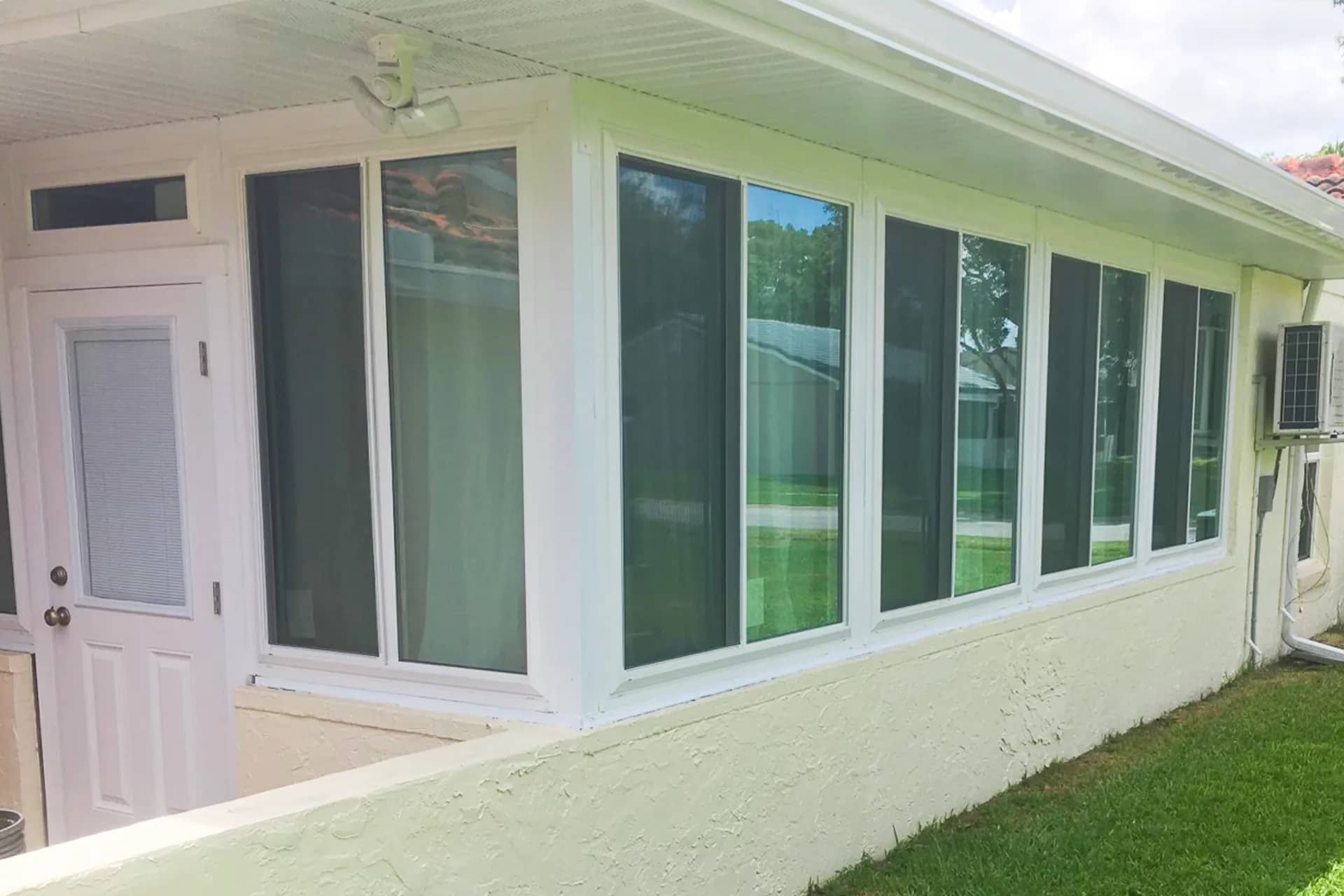
A lanai enclosure is the process of screening in that existing space. Contractors build an aluminum frame around the open sides and add a screened door. Because the roof is already there, the job moves faster and costs less. In Florida, lanai enclosures typically start around $5,000 to $12,000, making it one of the most affordable outdoor upgrades you can make. If your home already has a covered lanai out back, enclosing it is the smartest first option.

What Is a Screen Room?

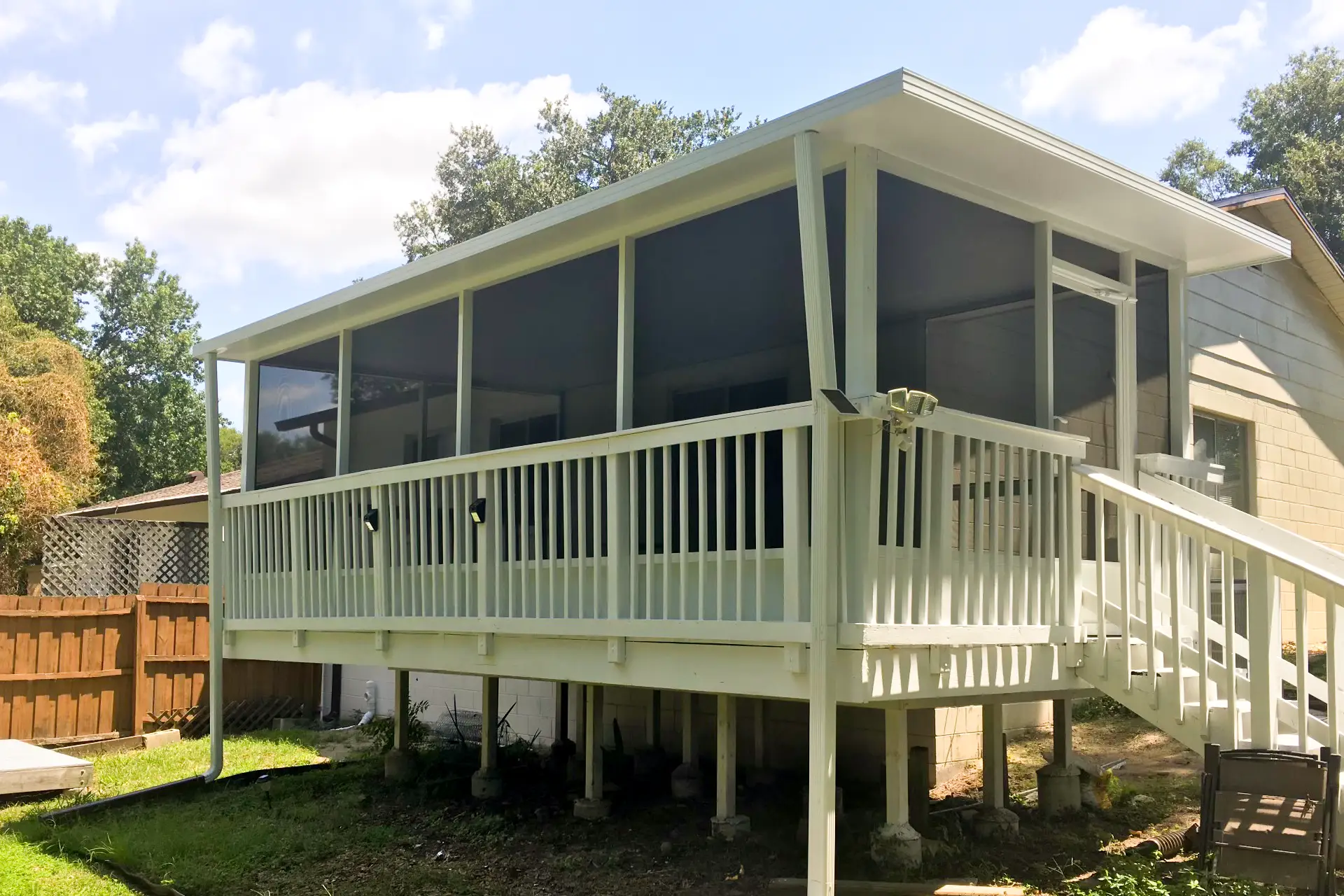
A screen room is a completely new structure. It has its own aluminum frame, roof, and footprint on your property. Nothing depends on what’s already attached to your house.

Screen rooms can be built right up against your home or as a freestanding structure in your yard. They are especially popular around pools, where homeowners want to keep out mosquitoes, leaves, and other debris while still enjoying fresh air.

You might also hear them called pool enclosures, patio enclosures, or outdoor screen enclosures. Different names, same idea: a fully framed, screened-in structure built to protect your outdoor space.

The Real Differences Between the Two

What you’re starting with: A lanai enclosure works with existing construction. A screen room is built new. This is the biggest difference and affects everything from cost to timeline to permits.

The roof: A lanai already has a solid roof. Screen rooms use aluminum framing with a screened or panel roof built as part of the new structure.

Cost: Lanai enclosures cost less because much of the work is already done. Screen rooms involve more materials, more labor, and more time.

Permits: Both require permits in Florida. Screen rooms typically need more paperwork since you’re adding a brand-new structure to the property.

Flexibility: Screen rooms win here. Because they’re independent structures, you can build one almost anywhere on your property, against the house, around the pool, or in a corner of the yard.

So Which One Do You Need?

If you already have a covered lanai at the back of your house, enclosing it is the fastest and most affordable move. You’ll be done quickly, and the result will look clean and built-in.

If you don’t have a covered patio or want to enclose a pool or cover a larger area, a screen room is the right path.

Either way, the goal is the same: a comfortable outdoor space where your family can relax and enjoy Florida weather without bugs or heat getting in the way.

Midstate Construction specializes in both lanai enclosures and screen rooms across Central Florida, with over 15 years of experience and a BBB A+ rating. Get a free quote today


This blog is published by editorial staff.


Call Now
Get Free Quote

Your Contact Details

This floating button form was created by The Plugin Factory